![Pablo Gómez Grande [ES]](https://scar-europe.org/images/Protein-TF/Pablo_Gómez_Grande.png "Pablo Gómez Grande [ES]") |
![Adeline Boire [FR]](https://scar-europe.org/images/Protein-TF/Adeline_Boire.png "Adeline Boire [FR]") |
| Pablo Gómez Grande (ES) | Adeline Boire (FR) |
Mandate:
Since September 2022
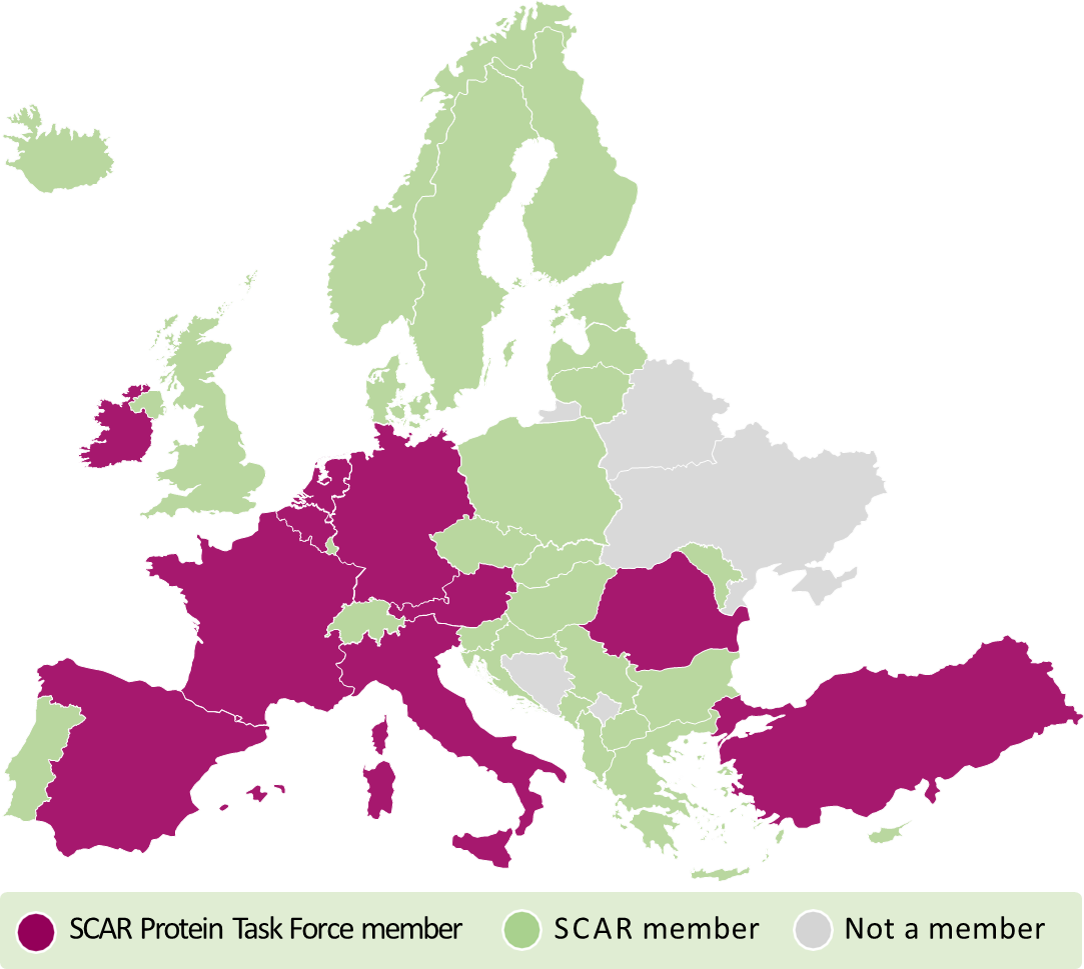
10 European Countries + EC Observers
Europe’s agri-food system faces a period of great challenges, such as climate change, market volatility, geopolitical tensions and strategic autonomy need. This is prompting the European Union (EU) to strengthen the resilience and autonomy of its food systems, and protein supply (and consumption) is a sensitive and strategic issue in this regard. Currently, Europe depends heavily on imported proteins, posing risks to sustainability, food security, and sovereignty.
In this scenario, the European Parliament resolution on a European Protein Strategy (2023) and the European Commission’s Vision for Agriculture and Food (2024) highlight the need for a sustainable, diversified, and self-sufficient protein strategy. This includes reshaping protein production and consumption, promoting domestic value chains, and reducing reliance on imports.
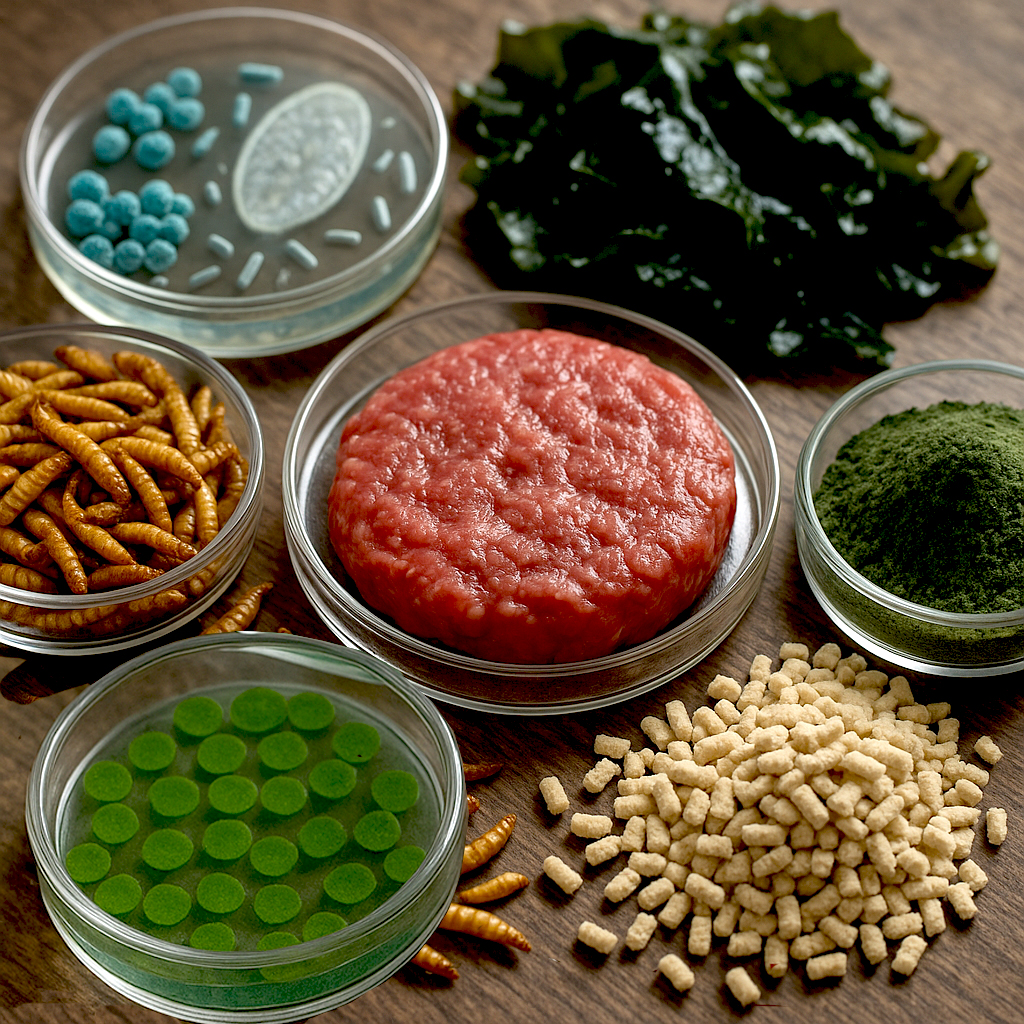
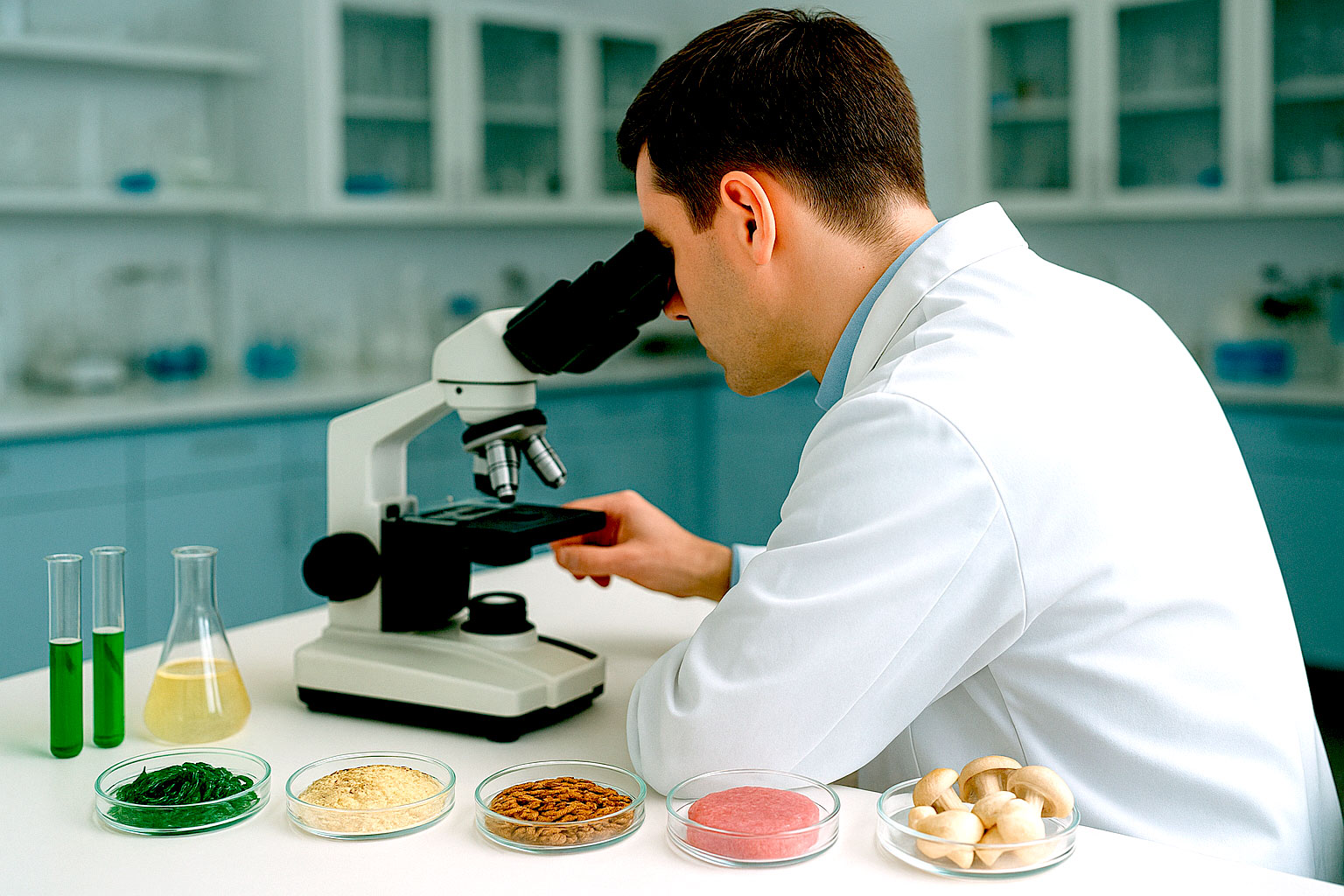
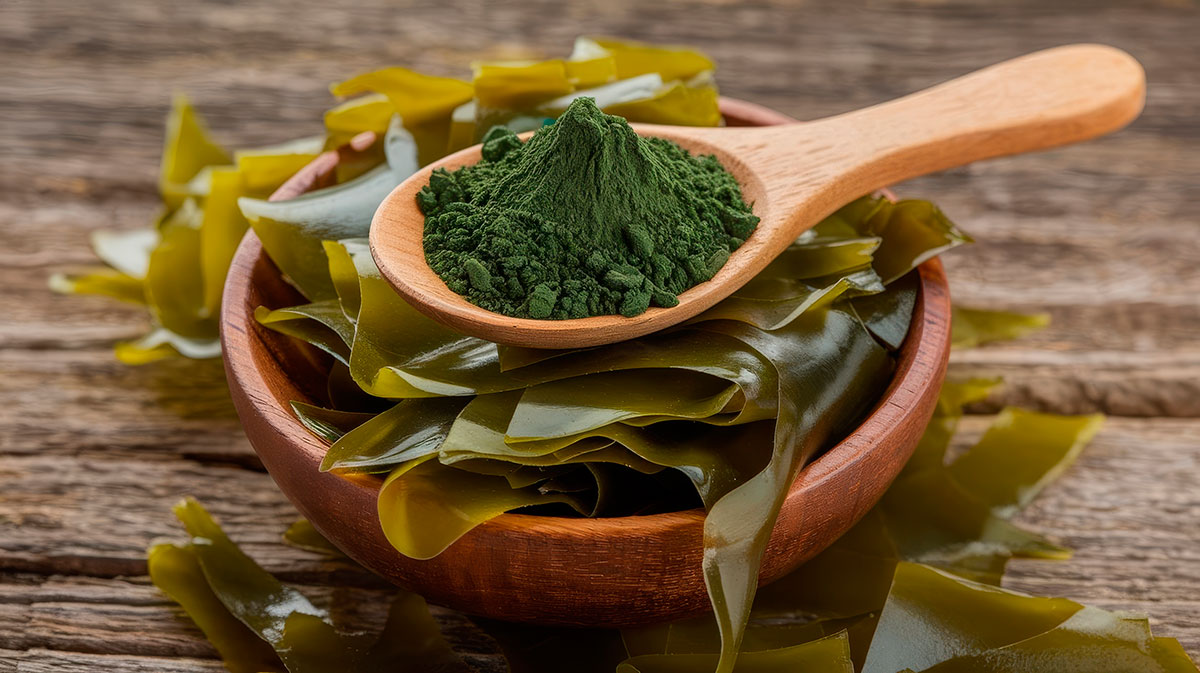
In this context and within this strategic framework, the SCAR Protein Task Force (TF) aims to foster R&I for alternative protein sources with a holistic approach to food systems, based on coexistence and diversification. These include non-traditional plant-based proteins, micro-organisms, insects, marine biomass, cultured meat, and by-products of the bioeconomy. The TF adopts a food systems approach, considering the full spectrum of sustainability, from environmental impact and circularity, to dietary health and socio-economic implications.
Working in close synergy with the other SCAR Working Groups and ongoing EU research initiatives, the SCAR Protein TF want to be a platform for knowledge integration, policy advice, and foresight. It aims to map the state of the art, identify R&I gaps and needs, and support the transition to a resilient and strategically autonomous protein supply system across Europe.
To provide strategic advice on R&I for protein production and consumption to foster alternative sources and support the development of sustainable agricultural and food systems in Europe ensuring both food and feed sovereignty while enhancing environmental, dietary, and socio-economic resilience.
A future European food system that is sovereign, resilient and sustainable grounded in a balanced diversification and coexistence between traditional and alternative protein sources. This system will integrate different production practices, circular bioeconomy principles and dietary transitions to promote health, biodiversity, and reduced environmental impacts.
To support the EC by identifying barriers, drivers, gaps, and opportunities for transitioning to sustainable, diverse, and sovereign protein systems through R&I.
SCAR Protein Task Force - Police Review and Analysis
Coordinators: Pablo Gómez & Adeline Boire
05/2026
‘R&I for alternative protein sources: towards strategic autonomy and sustainability in EU protein production’’
Geert Van Royen, Trine Kastrup Dalsgaard, & Louise Juul
04/2026
Research and Innovation for alternative proteins sources to develop sustainable agricultural and food systems in European Countries
MISSION, VISION, SCOPE & OBJECTIVES
December 2022, revised November 2024
What will the future of protein in Europe be?
After years of work mapping the landscape of protein production and consumption in Europe, analyzing EU-funded research and identifying key challenges and opportunities, the SCAR Protein Working Group has shared its findings with the wider community.
A unique opportunity to hear directly from the experts who are helping to shape the future of protein in Europe.
📢 Speakers: Pablo Gómez Grande, Geert Van Royen and Adeline Boire.
| 09 Jul 2026; 02:00PM - 03:30PM Webinar - SCAR INSIGHTS Series "ALTERNATIVE PROTEINS IN EUROPE: KEY INSIGHTS FROM THE SCAR PROTEIN TASK FORCE" |