Andrea Marsella, Istituto Zooprofilattico Sperimentale delle Venezie, Italy

Friedrich Wilhelm Köster, DTU AQUA National Institute of Aquatic Resources, Denmark
June 2026
19 countries + EC and key advisors
Europe is a coastal continent. At 22 million km2, the Exclusive Economic Zone (EEZ) of the European Union (including EU overseas territories) is the largest in the world. Additionally, Europe is rich in freshwater bodies, mainly lakes and rivers, some of them transnational in nature. In 2019, the EU Blue Economy directly employed close to 4.45 million people, generating €667 billion of turnover and ca €184 billion in gross value added1. Almost half of the EU population lives less than 50 km from the sea; the majority is concentrated in urban areas along the coast. Ocean and sea basins and inland waters are connected as a global ecosystem and dynamic economic space. Underpinning Europe's approach to developing the Blue Economy is the concept of sustainable use, i.e., supporting the implementation of the ecosystem approach. This includes accountability for maintaining aquatic ecosystem structure and function so that the value chain, and societal wellbeing are protected and sustainable. Aquatic food systems should be developed through a Sustainable and Circular Blue Bioeconomy Approach. This should be the key framework for Research and Innovation (R&I) priorities and needs in the aquatic domain during the forthcoming years.
Fisheries and aquaculture play a significant role in the Europe’s food security by producing raw material for food and feed. More generally, Europe’s food security critically depends on aquatic resources in the supply of protein, minerals, and renewable energy. The Covid19 pandemics and the Russian war against Ukraine generated high disruptions on all economic sectors, including fisheries and aquaculture. The resulting challenges, like the need for increased level of food security and safety, and for decreased operation costs of the industry, together with the need to adapt to/mitigate climate change, as well as to secure biodiversity and reduce environmental impacts, put pressure on new R&I actions.
Such actions need to be ambitious and diverse, and cover a wide range of research disciplines and industries. They should address the capacity to observe, tackle challenges and explore opportunities, both on land and in offshore, coastal and freshwater ecosystems, many of which are interlinked. Integrated views and system-wide solutions are needed to cover the production and utilisation of renewable biological resources from both terrestrial and aquatic ecosystems by sustainable means.
SCAR Fish mission is to maintain a network that creates the required necessary critical mass to contribute to define EU research and innovation priorities, for example, within the Horizon Europe, including the EU Mission “Restore our Ocean and Waters” and the HE Partnerships, aligned with relevant EU policies, directives and strategies, most importantly the Common Fisheries Policy (CFP), Marine Strategy Framework Directive (MSFD), Maritime Spatial Planning Directive (MSPD), the Biodiversity Strategy for 2030, the Water Framework Directive (WFD), the Green Deal (including the Farm to Fork Strategy and the Circular Economy Action Plan), the Bioeconomy Strategy, the Food 2030 Policy, and the BIOEAST Initiative.
This network will rely on interdisciplinarity to address the sustainability triangle of environmental protection, economic competitiveness and social acceptability, by strategic discussion and sharing views and information between Member States (MS), Horizon Europe Programme Associated Countries (AC), the European Commission (EC) and observers from funding agencies, international marine science organizations (ICES, EFARO), intergovernmental and other multi-actor platforms in the aquatic domain (JPI Oceans, EATiP, EMB), policy makers, and NGO’s (Eurogroup for Animals), with an aim to identify common priorities which could lead to coordinated or joint initiatives in the domains detailed above.
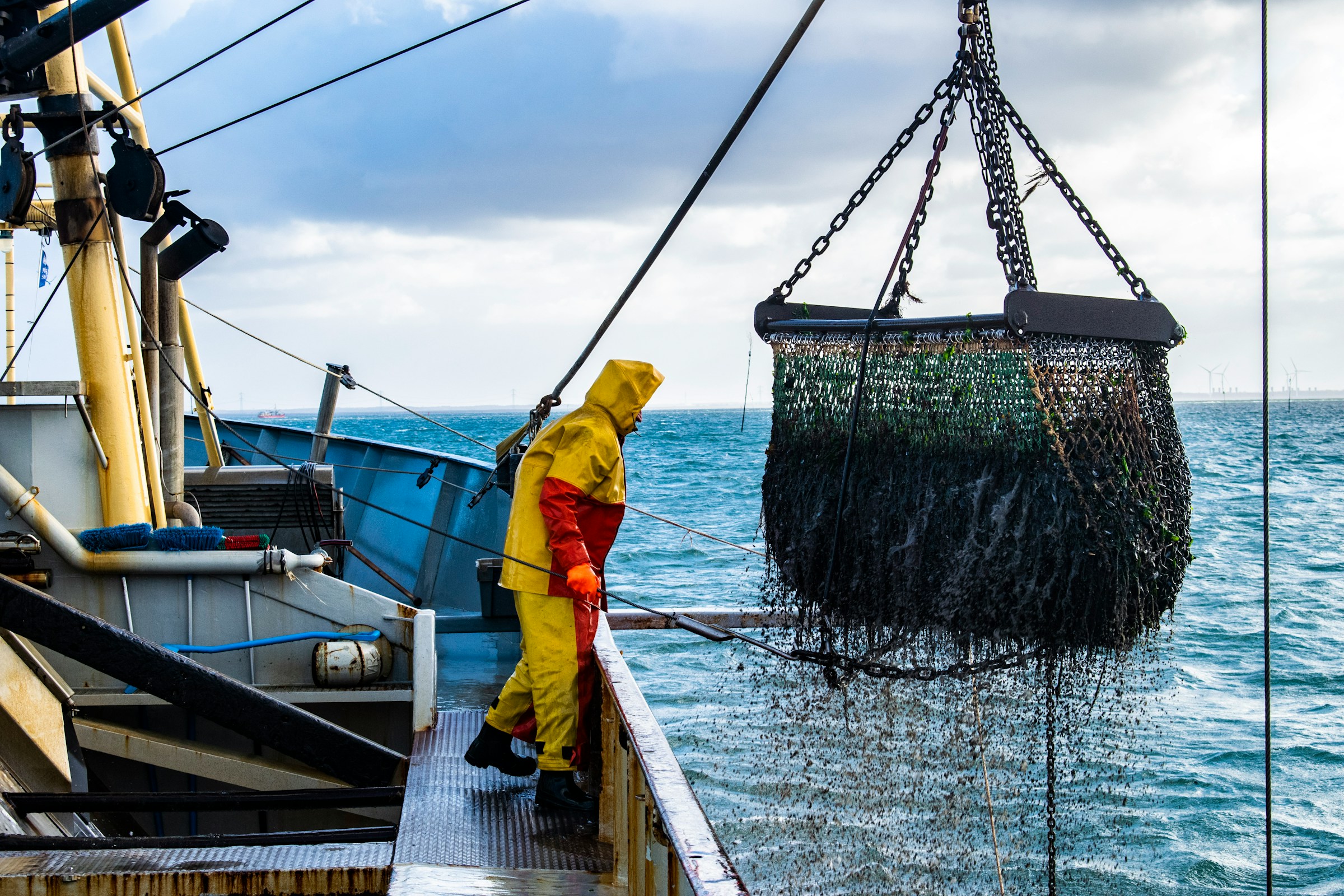
Innovation in fisheries monitoring science - Fisheries dependent data as a tool for real-time advice
2025
SCAR Fisheries and Aquaculture Research SWG
Mandate: 1 June 2020 – 31 May 2023
Climate Change Adaptation and Mitigation related to Aquaculture
SCAR FISH SWG | 10/11/2022
SCAR Support Team
TST SCAR FISH SWG
- Fisheries dependent data as a tool for real-time advice
December 2022